

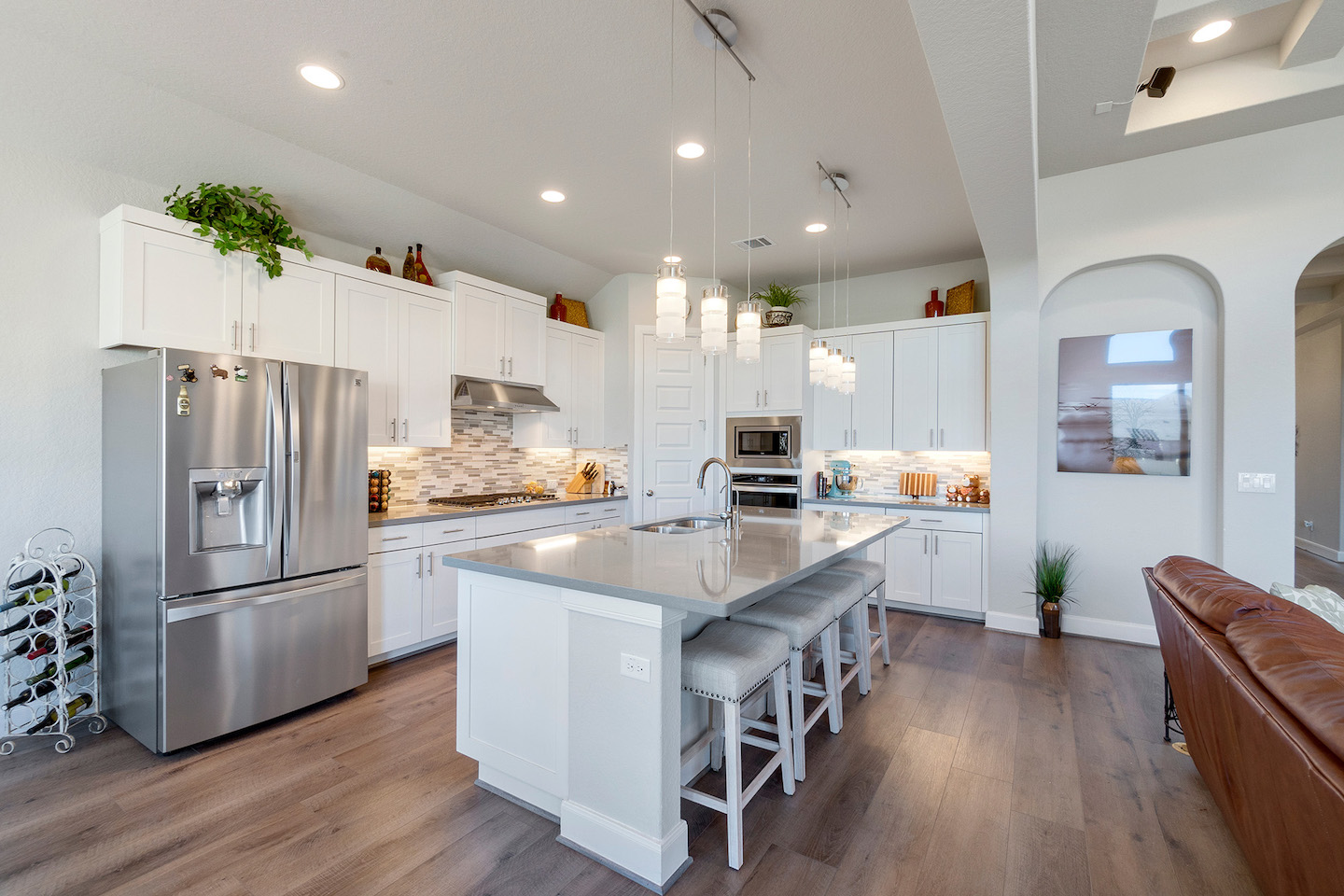
You’ve decided on wood floors. Now comes the tricky part: choosing between solid and engineered hardwood. On paper they sound similar, but they behave very differently once they’re actually living with your family, pets, and Inland Empire temperature swings.
Below, we’ll walk through how each type is built, how it performs in our climate, and which one tends to fit different rooms and lifestyles.
How Each Type Is Built — And Why It Matters
Solid hardwood is exactly what it sounds like: one continuous piece of wood from top to bottom. Each plank is milled from a single species, like oak, hickory, or maple, then finished in your choice of color and sheen. Because it’s the same material all the way through, it can usually be sanded and refinished multiple times over its life.
Engineered wood looks similar on the surface, but it’s built differently. The top layer is real hardwood, while the core is made from cross‑layered plywood or high‑density fiberboard. Those layers are glued together in opposing directions, which creates a more stable structure that moves less with changes in temperature and humidity.
If you want to explore species, grades, and finishes side by side, our online hardwood collection shows options from brands like Bruce, Johnson Hardwood, and Provenza so you can see how construction and style come together.
Moisture, Temperature, and the Inland Empire Climate
The Inland Empire sees hot, dry summers, cooler winters, and plenty of air conditioning. That constant cycling can make solid wood expand and contract, especially in wider planks or homes without consistent indoor humidity control. Over time, that movement can lead to small gaps between boards or slight cupping if conditions swing too far.
Engineered hardwood is designed to handle those shifts better. The layered core helps resist movement, making it a smart choice for areas where you expect more temperature or humidity variation, such as rooms above concrete slabs or spaces that get a lot of sun through large windows. It’s still real wood on top, but the structure underneath works hard to keep everything flatter and more predictable.
For homeowners balancing style with practicality, this difference in stability is often the deciding factor between the two.
Longevity, Refinishing, and Everyday Wear
When people ask which option “lasts longer,” what they’re really asking is: how many times can I bring this floor back to life? Solid hardwood usually has the edge here. Because the entire plank is wood, it can often be sanded and refinished several times over the decades, especially if you choose a thicker profile. That makes it appealing if you see this as your “forever home” and want the ability to refresh the look down the road.
Engineered wood can also be refinished, but how many times depends on the thickness of the top veneer. Some higher‑end products allow one or two full sandings; others are better suited to light buffing and re‑coating when they show wear. In both cases, using rugs in high‑traffic areas and keeping grit off the surface will do as much for longevity as the construction itself.
If you’d like to see how both options hold up in real homes, our completed project gallery includes photos of hardwood installations in kitchens, living rooms, stairs, and more.
Where Each Type Works Best in Your Home
In many Inland Empire homes, the right answer is actually a mix of both. Solid hardwood shines in traditional above‑grade spaces with wood subfloors, such as main‑level living areas, bedrooms, and hallways. These rooms typically have more controlled conditions, and the extra refinishing potential can be a long‑term advantage.
Engineered hardwood tends to be the better fit over concrete slabs, in rooms that sit over garages, or in areas where you want wider planks without worrying as much about movement. It also pairs well with certain underlayments for improved sound control in multi‑story homes or townhomes.
If you’re still weighing wood against other materials entirely, our laminate flooring catalog is helpful for comparing wood‑look options that offer extra scratch and moisture resistance, especially for busy households with kids and pets.
Bringing It All Together
Both solid and engineered hardwood can add warmth, value, and character to homes from Upland to neighboring Inland Empire communities. The “better” choice depends on your subfloor, room conditions, and how long you plan to stay. Solid wood prioritizes maximum refinishing and tradition; engineered wood focuses on stability and versatility while still giving you a genuine wood surface.
When you’re ready to get specific about your rooms, subfloors, and budget, you can request a free estimate, and our team will help you compare options and design a hardwood solution that fits your home.


