

You notice more scratches every time the sun hits your living room. The finish looks dull, the color feels dated, and you’re wondering: Do I refinish these wood floors or rip them out and start fresh? It’s a big decision, and the right answer depends less on trends and more on what’s happening under your feet.
Below, we’ll walk through how we think about this question in real homes, so you can choose confidently instead of guessing.
Step One: Understand What Refinishing Can (and Can’t) Fix
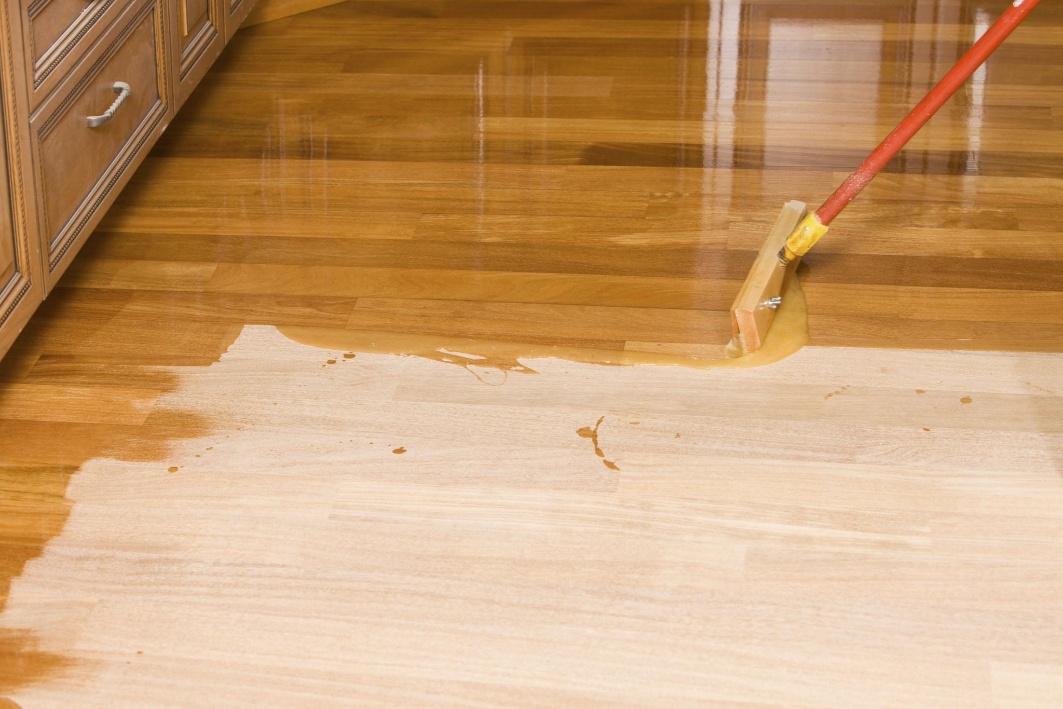
Refinishing is like giving your floor a second life. We sand off the old finish, smooth the surface, and apply new stain and topcoats. That process can solve a surprising number of issues:
- Surface scratches and wear paths from chairs, pets, and daily traffic
- Dull or yellowed finish that no longer matches the rest of your home
- Color changes if you want darker, lighter, or more modern tones
Where refinishing falls short is just as important. Deep gouges, pet stains that have penetrated the wood, or boards that are warped and cupping often won’t disappear with sanding alone. Engineered planks with very thin wear layers may also only tolerate one light refinish, or sometimes none at all.
If you’re not sure what type of wood you have, looking at current product lines in our hardwood collection can help you compare thickness, species, and construction to what’s installed in your home.
When Refinishing Makes the Most Sense
Refinishing usually wins when your floor is structurally sound but cosmetically tired. That includes situations like:
- The boards are lying flat with no soft spots, but the finish is scratched and dull.
- You like the character of your existing wood and just want a new stain color.
- You’re working within a tighter budget and want to stretch your investment.
Another advantage: keeping your existing material is often less disruptive to surrounding trim, baseboards, and cabinetry. In many Inland Empire homes with open layouts, refinishing also helps maintain consistent height across connected rooms, which matters for doors, transitions, and stairs.
The trade-off is time and inconvenience. Sanding and finishing are messy and require some cure time before heavy furniture or rugs go back. If you can plan around that — for example during a vacation or while one level of the home is unused — refinishing can deliver a dramatic transformation without the cost of full replacement.
Clear Signs It’s Time to Replace Instead
Replacement becomes the smarter move when the wood itself is failing or no longer fits how you live. We usually recommend new flooring when:
- Boards are warped, cupped, or separating and repairs would be extensive.
- Moisture damage or pet accidents have left dark stains that sanding can’t remove.
- The floor has already been sanded multiple times and there’s not enough wear layer left to safely refinish.
- You’re reworking the layout (removing walls, adding rooms) and need to extend flooring seamlessly into new spaces.
Replacing also opens the door to updated construction and finishes. Today’s options include wider planks, wire-brushed textures, and low-sheen finishes that hide everyday wear better than older glossy coatings. If you’re comparing styles, our online hardwood flooring catalog is a useful way to see different species, grades, and finishes side by side before you narrow things down in person.
In some households, especially with big dogs or busy kids, homeowners decide that replacing with a harder species or a more forgiving finish is worth the extra upfront cost because it better fits how the home is actually used.
Balancing Budget, Disruption, and Long-Term Plans
Once you know your floor’s condition, the next question is how long you plan to stay in the home and what kind of disruption you can live with.
If you’re planning to move in a few years, a clean, well-done refinish can refresh the space and help resale without over-investing. But if this is your “forever” house and the existing wood already shows structural issues, replacement can be the more cost-effective choice over the next 10–20 years.
Seeing real examples can help here. Many homeowners find it easier to decide after looking through our completed project gallery, where you can compare before-and-after transformations from both refinished and fully replaced wood floors in local homes.
Because we’re a family-run shop with over four decades of hands-on experience, we also look beyond the floor itself. We’ll consider how new material will meet your existing tile, how cabinet toe-kicks and stair nosings will line up, and whether you might want future kitchen or bath updates that should be planned around your flooring choice.
Ready to Talk Through Your Floor’s Options?
You don’t have to make the refinish-or-replace call alone. A quick in-home look at your wood tells us far more than photos or guesswork ever could. When you’re ready, request a free estimate and we’ll walk your space, evaluate the condition of your floors, and lay out clear options — including honest pros, cons, and pricing for both refinishing and replacement.
Meta description suggestion: Unsure whether to refinish or replace your worn wood floors? Learn how to evaluate damage, budget, and long-term plans so you can choose the right solution for your home.


