

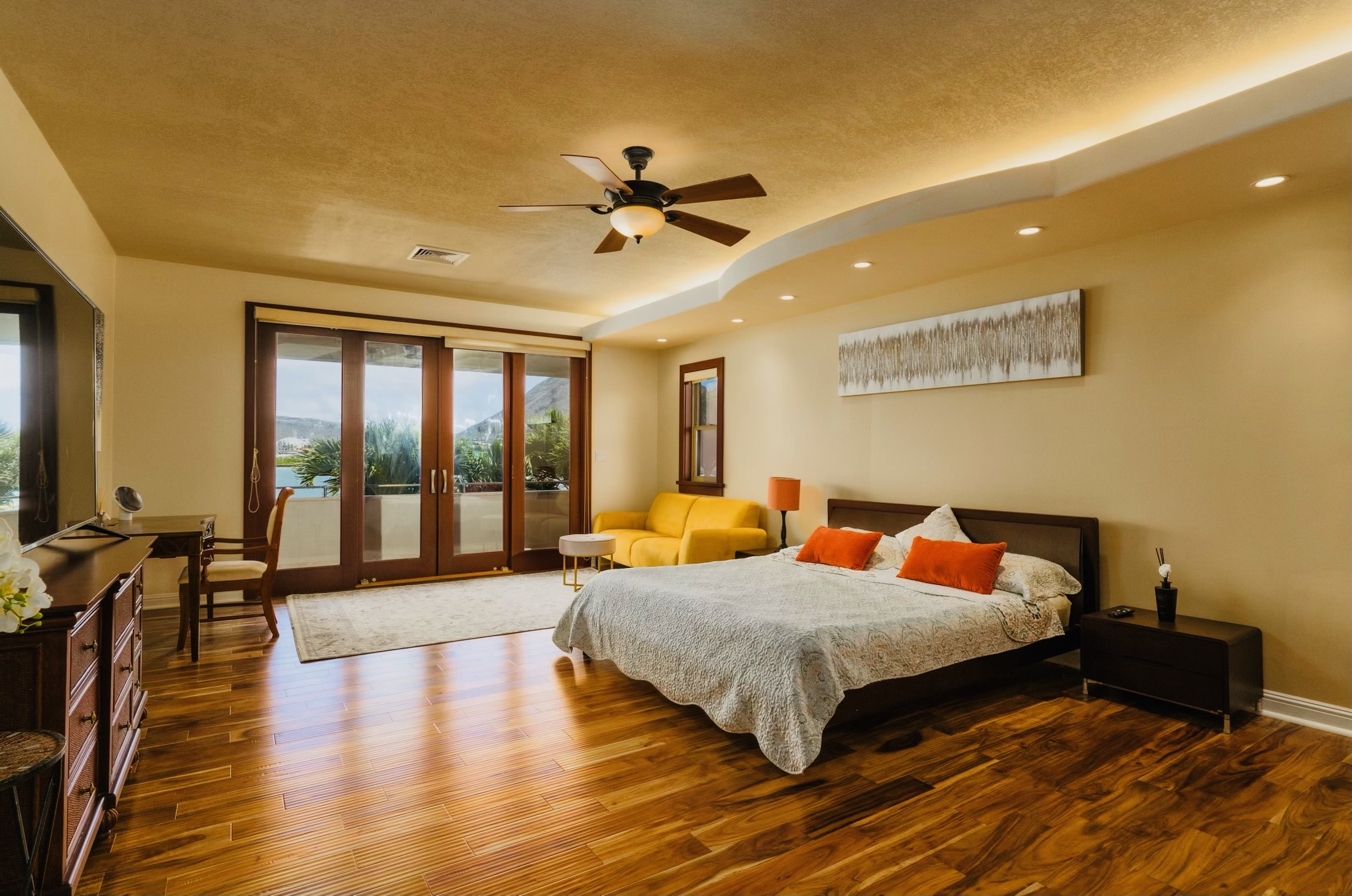
You open your blinds on a bright afternoon, and the sunshine feels great—until you notice the darker rectangle where last year’s rug used to sit. The rest of the planks look washed out. For many Inland Empire homeowners, that kind of fading is the moment they realize not all hardwood handles our light and heat the same way.
Choosing wood that can live with daily sun exposure is less about finding a “magic” product and more about understanding how species, color, and finish work together.
How Sunlight Actually Affects Hardwood
Direct light doesn’t just warm up a room; it slowly changes the chemistry of natural materials. Wood cells react to UV rays and heat, which can cause:
- Color change (ambering, darkening, or bleaching) over time
- Uneven tones where rugs or furniture block parts of the floor
- Surface stress in areas that repeatedly expand and contract
Different species respond in different ways. Oak tends to shift gradually and predictably, while some exotic woods can darken or lighten quickly. Even within one room, boards near sliding doors may age differently than those deeper inside.
That’s why we focus on helping you pair the right wood with the right finish instead of relying on a one-size-fits-all promise.
Species, Stain, and Finish Choices That Handle the Heat
If your home has big windows or south- and west-facing glass, the materials you pick matter as much as the layout. In general, medium-toned, moderately grained woods are the most forgiving in bright rooms because they hide subtle shifts better than ultra-light or very dark planks.
Oak and hickory are popular in our hardwood lineup because they balance character with durability. When you explore Perry Floors’ hardwood collection, you’ll see options from brands like Bruce, Johnson Hardwood, and Provenza that offer wide planks, wire-brushed textures, and matte finishes—all features that help disguise minor color variation caused by sunlight.
Finish technology also plays a big role. Today’s factory-applied urethane and aluminum oxide coatings often include UV inhibitors, which slow down the rate of change. A low-sheen or matte topcoat usually makes any future fading less noticeable than a high-gloss surface that reflects every line of light.
Design Strategies for Sun-Exposed Rooms
Even the most resilient hardwood will mellow over time, so planning how you use the space is just as important as what you install. Good design spreads the exposure out instead of letting one strip of flooring take all the punishment.
Window coverings that filter rather than completely block light can soften UV without making the room feel dark. Rotating area rugs and occasionally shifting furniture keeps tones more even from wall to wall. It also helps to think about transitions: lighter or subtly varied colors at patio doors and large sliders tend to age more gracefully than a nearly black plank that shows every change.
If you like to see how these ideas look once they’re down, our completed project gallery shows real homes where wide windows, wood floors, and California sun all share the same space.
Why Installation and Local Experience Matter
Even with the right product, poor installation can shorten the life of any wood floor. Rooms that heat up in the afternoon need expansion gaps set correctly, moisture checked before planks go in, and acclimation done with the home at normal living conditions. Those steps help the boards move naturally instead of cupping or gapping when temperatures swing.
Because our family has been working in this climate for decades, we’ve seen how different constructions—solid, engineered, and various core types—behave in bright, dry seasons and cooler months. That long-term view shapes the advice we give in our showrooms and the way our in-house installers handle details around doors, windows, and sunrooms. If you want to hear how that approach has worked for other homeowners, you can read their reviews and feedback and see what stood out about their experience.
See Options in Person and Plan Your Project
Photos are helpful, but nothing replaces seeing real samples in changing light. When you visit our Upland showrooms, you can move planks near the windows, compare finishes side by side, and talk through which rooms in your home get the strongest afternoon glare.
When you’re ready to narrow things down, precise measurements and a clear plan make the rest of the process smoother—especially for sun-exposed spaces where layout really matters. To get started, request a free estimate and one of our project specialists will help you choose hardwood that looks great on day one and continues to perform as the seasons and sunlight change.


