

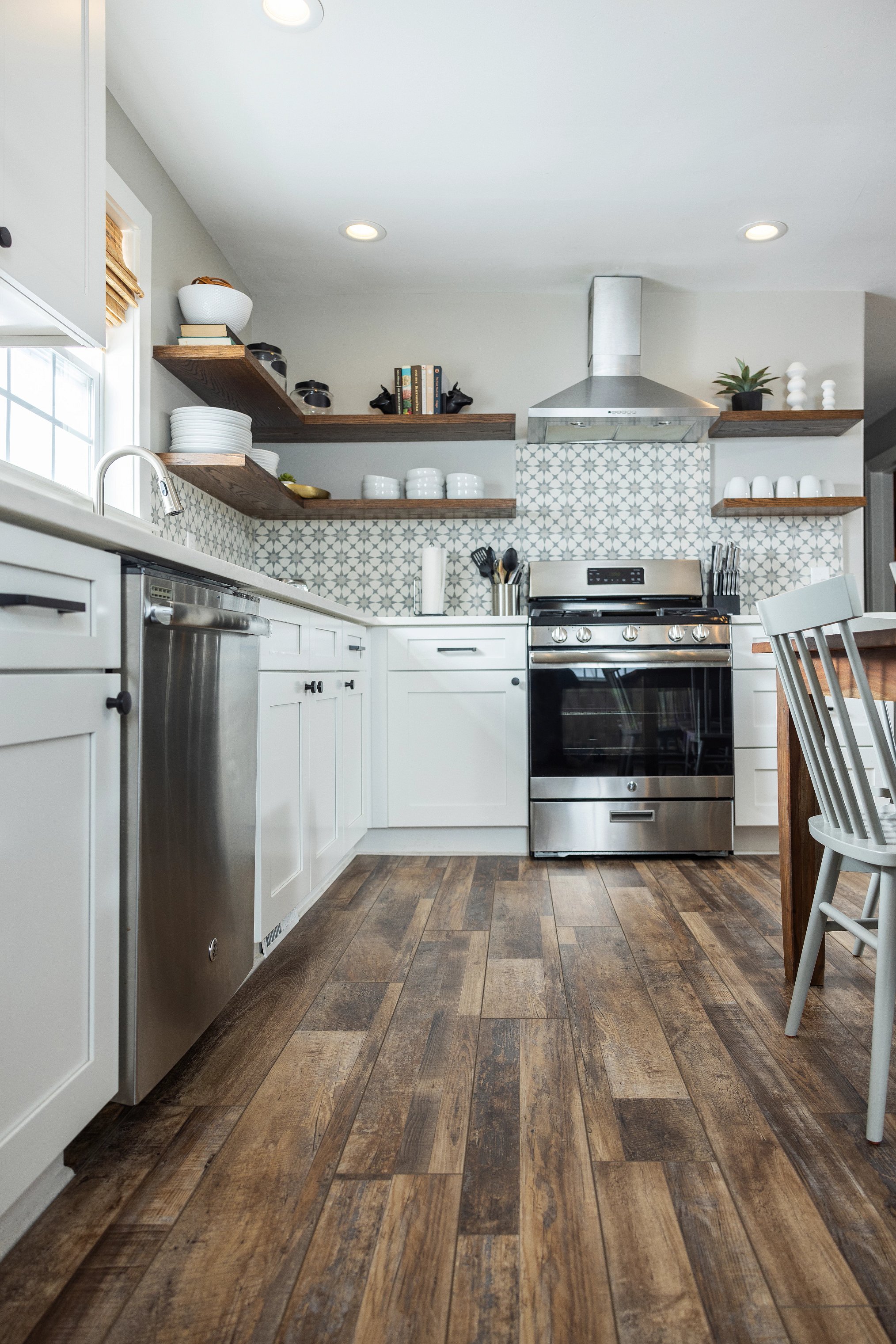
If you or your kids wake up stuffy every morning, it’s easy to blame “seasonal allergies” and move on. But often the real trigger is right under your feet. Dust, pet dander, and pollen love to hide in certain materials, and flooring is one of the biggest surfaces in any home. Choosing the right surface — and caring for it correctly — can make a noticeable difference in how you breathe day to day.
Why Flooring Matters So Much for Allergies
Allergens are tiny, but they behave in predictable ways. Soft, porous surfaces trap particles; smooth, sealed ones let you wipe them away. That’s why carpet can feel cozy yet still hold onto dust, while a tightly installed hard surface gives you a clean slate every time you sweep.
Airflow matters too. When you walk, run the vacuum, or turn on the heater, you stir up whatever is sitting on or inside your floors. The more debris a surface holds, the more ends up floating in the air you breathe. For allergy-prone families, the goal is simple: reduce hiding spots and make cleaning fast and effective.
Why Hardwood Is Often the Top Choice for Allergy Relief
Well-sealed hardwood is one of the most allergy-conscious options because it’s smooth, durable, and easy to clean. Properly finished planks don’t have fibers or deep pores where dust mites and pet dander can settle, so a quick sweep and damp mop remove most particles before they become a problem.
Different species and finishes can also support a healthier routine. Harder woods resist scratching, which helps the finish stay intact and easier to wipe down over time. Low-sheen or matte finishes can make everyday dust less visually obvious, encouraging regular light cleaning instead of waiting for a heavy deep-clean. If you’d like to compare species and finishes side by side, our hardwood collection shows a wide range of looks from trusted brands like Bruce, Provenza, and Johnson Hardwood.
For homes in the Inland Empire where windows are often open and dust levels run high, hardwood offers a practical balance: classic style, long-term durability, and a surface that doesn’t cling to every bit of outdoor pollen that finds its way in.
Where Laminate Fits in an Allergy-Friendly Home
Modern laminate has come a long way, and for many families it’s a smart, allergy-aware alternative to natural wood. Its dense core and protective top layer create a closed surface that doesn’t harbor allergens the way textiles do. That makes it especially useful in high-traffic areas where you want easy cleanup and strong scratch resistance.
From an allergy standpoint, a few details matter more than the exact pattern you choose. Tight joints reduce gaps where debris can accumulate, and a quality underlayment can improve comfort while helping control minor moisture issues that might otherwise encourage mold. To see how different patterns and textures could work throughout your home, you can explore options in our laminate flooring catalog and look for styles that balance performance with the look you love.
In spaces where you might hesitate to use traditional wood — such as entryways or playrooms — laminate can provide a smooth, wipeable surface that still feels warm and inviting.
Cleaning Habits That Support Your New Floors
Even the most allergy-friendly surface needs the right care. The good news is that the habits that protect your investment also help you breathe easier. Consistent, gentle cleaning is more important than harsh chemicals or marathon scrubbing.
For both hardwood and laminate, dry methods come first: microfiber dust mops, soft-bristle brooms, or vacuums with hard-floor settings. These tools pick up fine particles without grinding them into the finish. Damp mopping should use minimal water and cleaners approved for your specific material, since standing moisture can damage wood-based products and create conditions where mold could thrive.
It also helps to think about how flooring connects to the rest of your space. Entry mats that actually get used, a “shoes-off” habit, and regular HVAC filter changes all reduce how much debris lands on your floors in the first place. If you’d like to see how these strategies look in real homes, our completed project gallery highlights spaces where durable surfaces and thoughtful design work together.
Making a Plan for Your Own Home
Every house is different. A family with two dogs and young kids has different needs than an empty nester with mild seasonal allergies, even if they live on the same street in Upland. That’s why we spend time asking about your routines, not just your color preferences, when we help you choose materials.
Our family-run team has spent decades installing hardwood, laminate, and other surfaces throughout the region, and many of those projects started with health concerns rather than pure aesthetics. If you’d like tailored guidance on which floors and layouts could help calm allergies in your own space, request a free estimate and we’ll walk you through options that fit both your lifestyle and your budget.


