

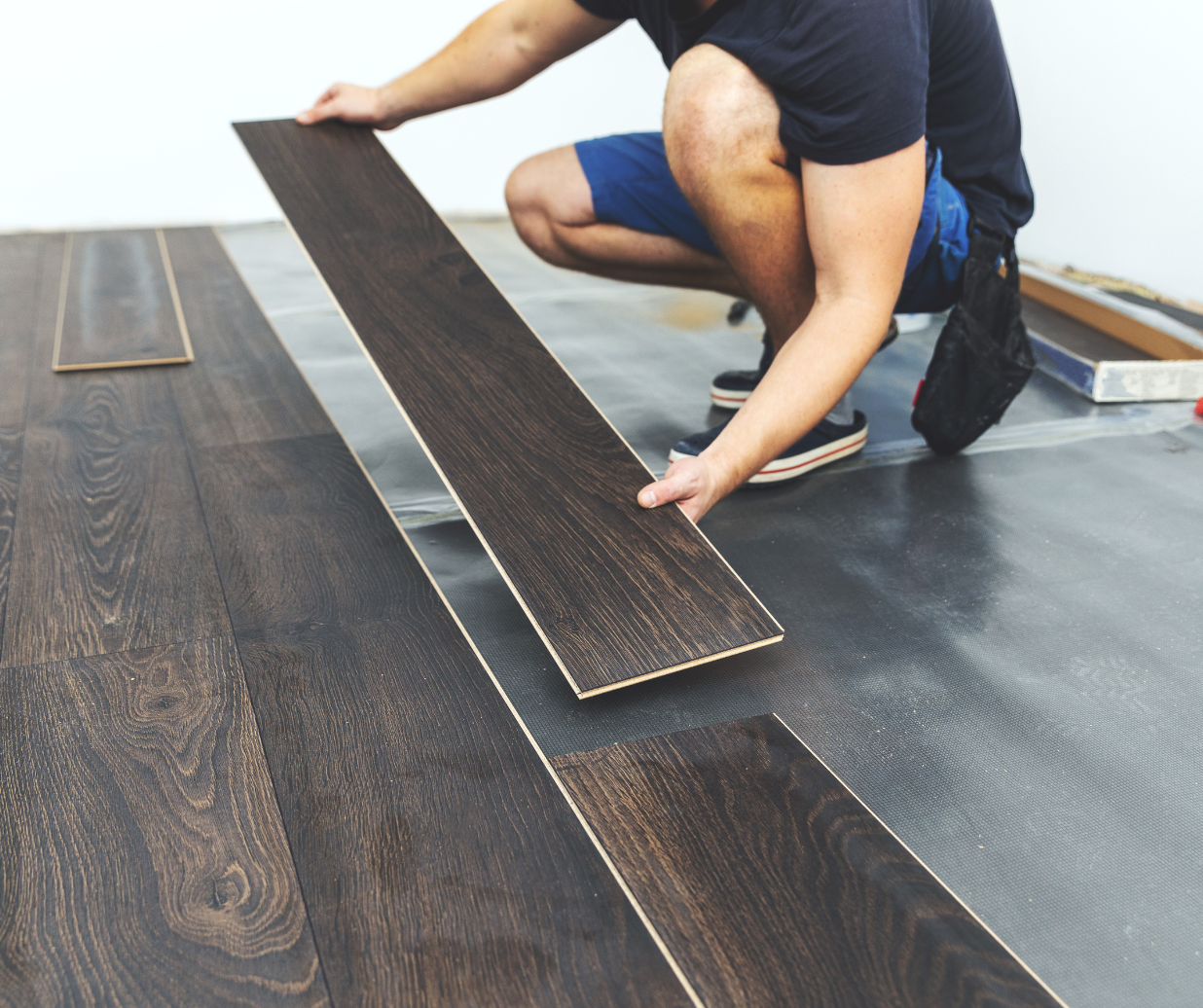
You’ve picked out a beautiful laminate floor, watched a few videos, and now you’re wondering: “Should I really try this myself, or is it worth hiring an installer?” That decision has a big impact on how your floors look, how long they last, and how stressful the project feels along the way.
Below, we’ll walk through what to consider before you commit either way, so you can match the approach to your budget, your home, and your comfort level with tools.
What laminate installation really involves
Laminate is often marketed as “easy to install,” and in many ways it is more forgiving than traditional hardwood. Planks click together, most products float over the subfloor, and you don’t need nail guns or sanding equipment. But even a floating floor demands careful prep and planning.
You’ll need to check the subfloor for flatness, remove baseboards or undercut door jambs, plan your layout so you don’t end up with slivers along one wall, and leave proper expansion gaps. On top of that, different products have different underlayment needs, locking systems, and moisture requirements. Browsing a variety of options in our laminate flooring catalog can give you a feel for how thickness, locking style, and attached pad can change the installation process.
Key idea: laminate isn’t just “click and done.” The work you can’t see—subfloor prep and layout—has the biggest impact on how the finished floor looks and performs.
When DIY laminate makes sense
A do-it-yourself approach can be a good fit if you’re comfortable measuring, cutting, and troubleshooting as you go. Straightforward rooms with simple rectangular layouts, no staircases, and minimal transitions are the most DIY‑friendly. If you already own basic tools (miter saw or laminate cutter, jigsaw, tapping block, pull bar, and spacers), that’s another point in favor of tackling it yourself.
DIY also gives you more control over the schedule and can trim labor costs, especially if you don’t mind working evenings or weekends. For confident renovators and contractors who only need materials, our direct purchase program offers access to Shaw, Mohawk, and other trusted brands without bundling installation.
The tradeoff is that mistakes are yours to own. Gaps, peaking, noisy boards, or mis-cut doorways can be hard to fix once a large area is down, and manufacturer warranties often assume the floor was installed to spec.
What a professional laminate install actually adds
Professional installers bring more than speed. They know how different laminates behave in real homes, how to handle tricky transitions, and how to work around existing cabinets, fireplaces, and uneven concrete. That experience really matters in older Inland Empire houses where subfloors aren’t always perfectly level.
A good crew will evaluate moisture, recommend the right underlayment, and take responsibility for details like stair noses, room transitions, and baseboards. They also understand how to stagger seams properly and avoid repeating patterns, so the finished floor looks intentional rather than “tiled.” If you’d like to see real projects that combine laminate with other surfaces, our completed project gallery shows how professional planning ties everything together.
When a licensed team handles the work, you also gain protection. If something isn’t quite right—say a transition strip pops up or a seam starts to separate—you’re not troubleshooting alone. That peace of mind is one of the big reasons our customers consistently share positive reviews and feedback after their installations.
How to decide what’s right for your home
The best choice often comes down to the room, your tolerance for risk, and how long you plan to stay in the home. A handy homeowner might feel great about installing laminate in a small bedroom, but prefer professional help in an open-concept main level or on stairs where safety and code compliance are critical.
It can help to see materials in person before deciding. At our two Upland showrooms, you can handle different planks, compare edge profiles, and talk through whether a DIY or installed approach fits your specific space; you’ll find maps, hours, and phone numbers on our Upland showroom locations page.
Think about the total picture: your time, your tools, your patience for dust and noise, and how important a flawless finish is in that particular room. Saving on labor is only a win if you love the result for years to come.
Ready to explore options for your laminate project?
Whether you’re leaning toward a weekend DIY project or want a fully managed install, it helps to start with accurate measurements and realistic pricing. When you’re ready to talk through your rooms, timelines, and budget, you can request a free estimate and our team will help you map out the right plan for your laminate flooring.


