

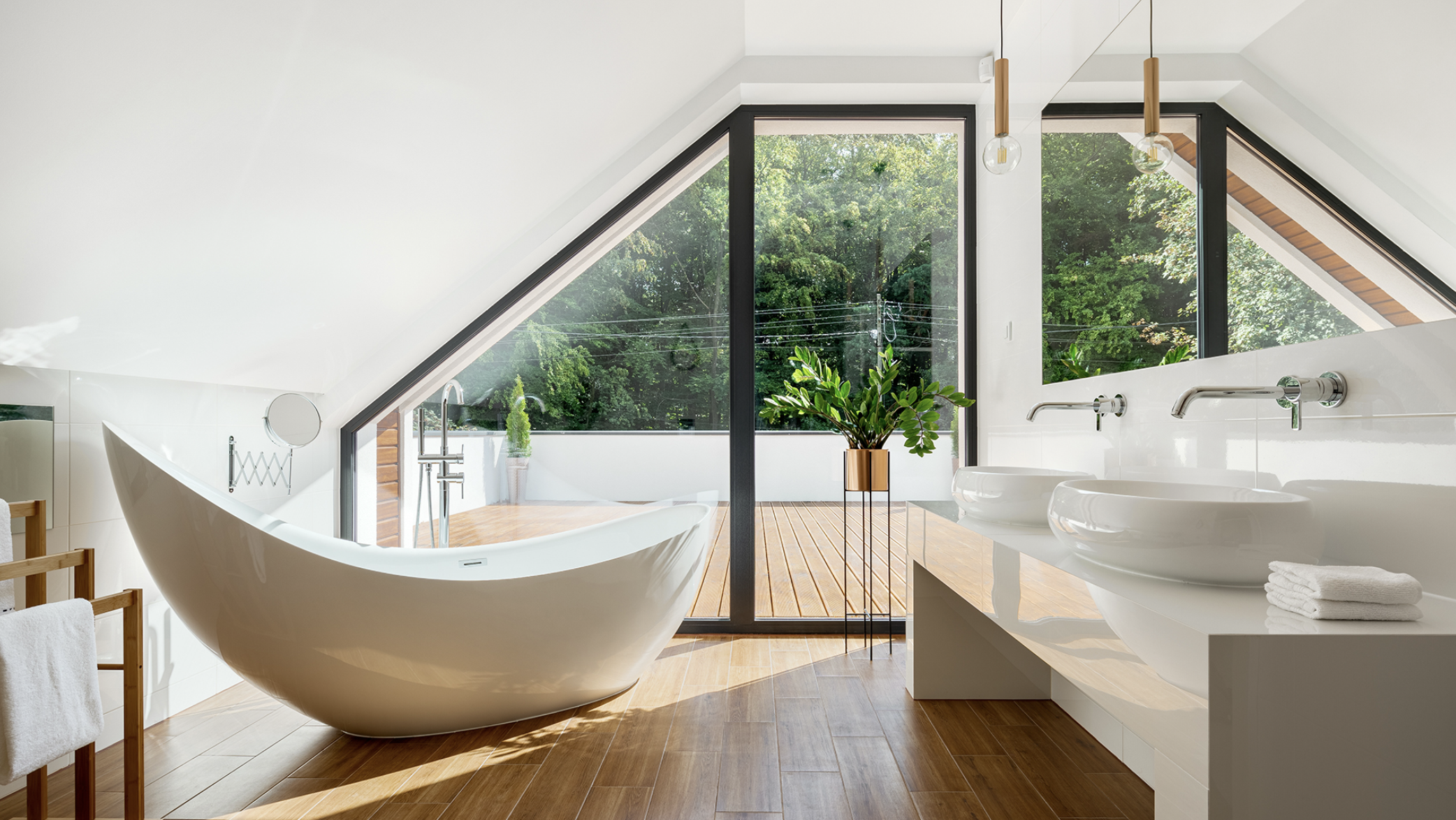
You’ve decided the old floors have to go. Maybe the carpet never recovered from kids, pets, or tenants, or that dated tile makes every room feel darker. Then the quotes start coming in, and suddenly the big question isn’t what to install, but how to budget smartly so you don’t overspend in the wrong places.
Flooring is a big investment, but you have more control over the numbers than it might seem. The key is knowing where it makes sense to trim costs, and where cutting corners will cost you more later.
Start With a Realistic Number (and a Little Wiggle Room)
Before you compare materials, decide what you can comfortably spend on the entire project, not just the product. That total should include:
- Materials, underlayment, trim, removal of old flooring, subfloor repairs, and professional installation
Once you have a ballpark, set aside a small buffer — usually 10–15% — for surprises like soft subfloors or additional leveling. That cushion keeps you from having to downgrade your selection at the last minute because of an unseen issue.
If you’re leaning toward a wood look but want to stay flexible on brand and style, browsing our laminate flooring catalog can help you see how different price points line up with the colors and textures you like.
Where It’s Smart to Save
There are parts of a flooring project where you can be budget-conscious without sacrificing performance.
First, consider material tier within the same category. With laminate, for example, going one step down from a premium line often keeps the same overall look while trimming features you may not need, like ultra-thick planks in a low-traffic guest room. The same idea applies to hardwood: a more common species with a durable finish can be more cost-effective than an exotic wood that’s harder to source.
Second, think about room-by-room priorities. Secondary bedrooms, home offices, or loft spaces usually see less wear than entryways and kitchens. Choosing a mid-range laminate for those areas and reserving higher-end products for the busiest zones is a practical way to stretch your budget. The result is a home that feels cohesive, but you’re not paying top dollar for every square foot.
Finally, you can often save by simplifying patterns and layouts. Straight plank installations with minimal transitions are faster to install than intricate designs, which reduces labor time.
Where Spending More Pays Off
Some upgrades deliver value far beyond their upfront cost, especially in busy Inland Empire households with kids, pets, or frequent guests.
One place to invest is core material quality in high-traffic or high-visibility areas. A tougher laminate with a stronger wear layer will resist scratches and fading better, keeping that just-installed look longer. If you’re drawn to the warmth and character of real wood, stepping up to a well-finished option from our hardwood collection can add long-term appeal and can be refinished down the road rather than replaced.
Another area worth prioritizing is subfloor prep and installation. Proper leveling, moisture checks, and expert installation help prevent squeaks, gaps, and premature wear. While it’s tempting to choose the lowest labor bid, experienced installers protect your material investment by making sure the product performs the way the manufacturer intended.
Lastly, put some budget toward rooms that influence resale and daily comfort: living rooms, primary bedrooms, and open-concept areas. Those are the spaces buyers and guests notice first, so a slightly higher investment there often returns more than it costs.
Balancing Choices for Your Home
The most successful projects take a big-picture view. Instead of asking “laminate or hardwood everywhere?”, it can be more effective to mix and match thoughtfully. You might choose durable laminate in most of the home, then reserve hardwood for a living area where you want extra warmth and character.
Seeing these options in person often clarifies what’s truly worth it for you. At our Upland showrooms, you can compare finishes side by side, talk through cost differences, and get a feel for how each surface will live in your home. Many Inland Empire families also like to look through our completed project gallery to see how different combinations look once they’re installed.
Ready to Plan Your Flooring Budget?
A clear budget doesn’t limit your options — it helps you put money in the places that matter most: durable materials, solid installation, and the rooms you use every day. When you’re ready to see real numbers for your home, request a free estimate and we’ll help you build a flooring plan that fits both your style and your budget.


